Tri Fuel Generator Market: Trends, Growth, and Future Outlook

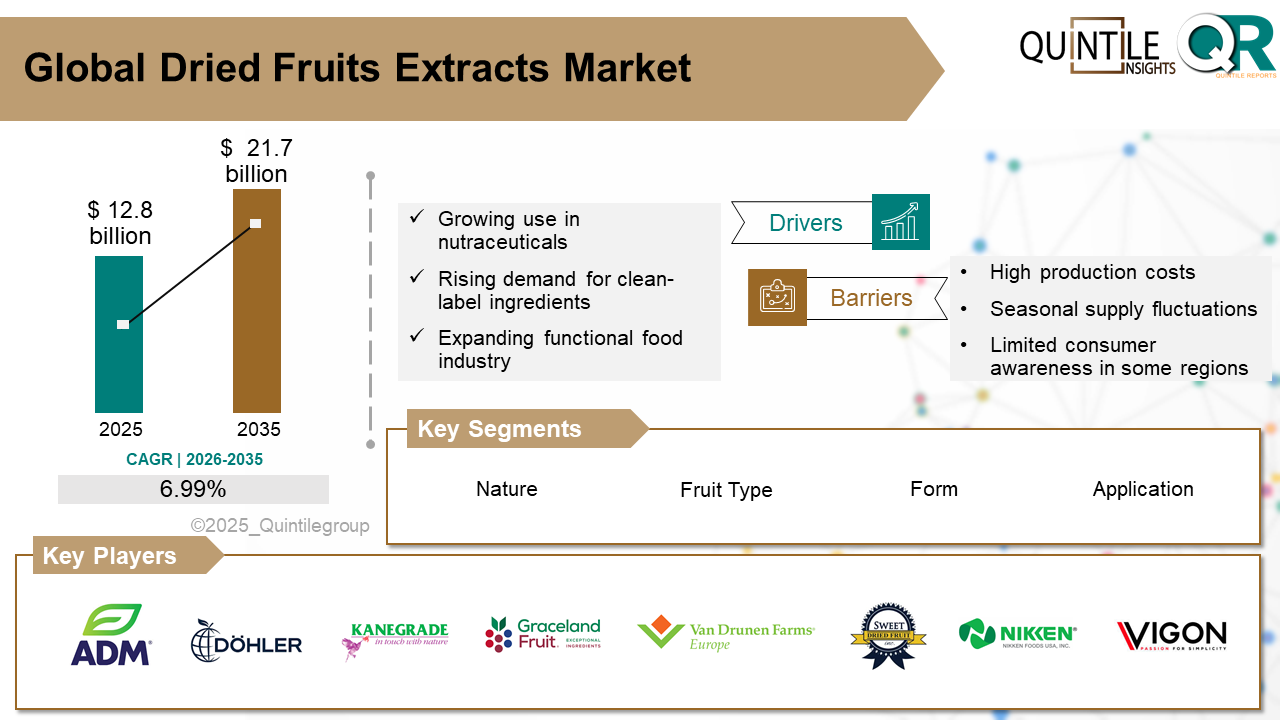
The Global Tri Fuel Generator Market was estimated at USD 2402.32 million in 2025 and is projected to reach USD 4341.5 million by 2035, reflecting a robust CAGR of 6.99% over the forecast period from 2026 to 2035. The Tri Fuel Generator market report offers a comprehensive and nuanced view of the industry, moving beyond conventional analysis. It provides a thorough examination of the markets dynamics, encompassing a detailed exploration of the factors propelling growth, such as evolving economic conditions, advancements in technology, shifts in regulatory policies, and changes in consumer behavior. Furthermore, the report discusses the projected Compound Annual Growth Rate (CAGR), providing stakeholders with a clear understanding of the market’s expected growth trajectory and offering data-driven insights into future market dynamics.

In today’s world, reliable energy solutions are more important than ever. Tri fuel generators, which can operate on gasoline, propane, and natural gas, offer unmatched flexibility and resilience. This adaptability is driving growing interest in both residential and commercial sectors, making the tri fuel generator market one of the fastest-growing segments in power equipment.

Request your sample report today to explore initial insights and assess report suitability :- https://www.quintilereports.com/request-sample/1135-tri-fuel-generator-market/

Understanding Tri Fuel Generators

A tri fuel generator is a power device capable of running on three different fuel types. This feature provides a safety net in case one fuel source becomes scarce or expensive. For homeowners, businesses, and industrial operators, it ensures uninterrupted power during emergencies, natural disasters, or grid failures.

The versatility of tri fuel generators makes them suitable for:

  • Residential backup power
  • Construction and industrial sites
  • Remote locations without grid access
  • Critical infrastructure such as hospitals and data centers

Regional Insights

North America leads the market due to frequent storms and natural disasters, prompting households and businesses to invest in reliable backup systems.

Asia-Pacific is emerging as a rapidly growing market. Countries like India, China, and Southeast Asian nations are experiencing infrastructure growth and demand for dependable energy, boosting tri fuel generator adoption.

Europe shows strong interest due to stringent emission regulations and a preference for cleaner fuels like propane and natural gas.

Latin America, the Middle East, and Africa are gradually expanding their markets as electrification projects and off-grid energy solutions increase.

Key Market Drivers

  1. Fuel Flexibility: The ability to switch between gasoline, propane, and natural gas ensures continuous operation during fuel shortages or price fluctuations.
  2. Resilience Against Power Outages: Increasing extreme weather events and grid instabilities make tri fuel generators essential for homes, offices, hospitals, and other critical sectors.
  3. Environmental Considerations: Running on cleaner fuels like propane or natural gas reduces emissions compared to gasoline, aligning with global sustainability goals.
  4. Technological Advancements: Modern tri fuel generators often include features such as automatic fuel switching, remote monitoring, and integration with solar or wind systems, enhancing convenience and efficiency.

Challenges in the Market

  • Higher Initial Cost: Tri fuel generators cost more upfront than single-fuel alternatives, which may limit adoption.
  • Maintenance Complexity: Multiple fuel systems require specialized maintenance, potentially increasing operational costs.
  • Regulatory Restrictions: Storage and usage of fuels may be limited in some areas, affecting market growth.
  • Competition from Alternative Technologies: Battery storage systems and hybrid energy solutions present strong competition.

Key Players Operating in the Tri Fuel Generator Market are as follows:

Based on Fuel Type, the Tri Fuel Generator market is segmented into:

  • Gasoline
  • Propane
  • Natural Gas

Based on Power Rating, the Tri Fuel Generator market is segmented into:

  • Below 3 kW
  • 310 kW
  • 1015 kW
  • Above 15 kW

Based on Phase, the Tri Fuel Generator market is segmented into:

  • Manual Start
  • Electric Start
  • Remote Start

Based on Application, the Tri Fuel Generator market is segmented into:

  • Single Phase
  • Three Phase

Based on End Use, the Tri Fuel Generator market is segmented into:

  • Residential
  • Commercial
  • Industrial

This study presents a complete evaluation of market dynamics, opportunities, and regional performance :- https://www.quintilereports.com/buy-now/?id=1135-tri-fuel-generator-market&license_type=su

Future Outlook

From 2025 to 2035, the tri fuel generator market is expected to grow steadily. Increasing reliance on backup power, adoption of hybrid energy systems, and government incentives for cleaner fuel solutions will drive expansion. The integration of smart technologies and renewable energy sources will further enhance the market’s potential.

Tri fuel generators are no longer just backup devices; they are becoming a crucial part of energy security strategies across the globe.

Conclusion

The Tri Fuel Generator Market represents a vital and evolving segment of the power equipment industry. Its flexibility, resilience, and efficiency make it an attractive solution for residential, commercial, and industrial applications. With ongoing technological innovations and rising demand for sustainable energy, tri fuel generators are poised to play a key role in ensuring uninterrupted power for the future.

Tri Fuel Generator Market Report

Statistics for the 2025 Tri Fuel Generator market share, size, and revenue growth rate were created by Quintile Report™. Tri Fuel Generator analysis includes a market forecast outlook for 2035 and a historical overview. Get a free PDF sample of this market analysis, please get in touch with our principal analyst at sales@quintilereports.com

Amphibious Dozers Market: Trends, Growth Opportunities, and Future Outlook (2025–2032)

The Amphibious Dozers Market is gaining strong traction globally as construction, mining, and environmental restoration projects increasingly move into wetlands and low-land terrains. Amphibious dozers—engineered with floating pontoons and specialized undercarriages—provide unmatched mobility in soft soil, shallow water, marshlands, and swamp regions. As climate-resilient infrastructure and environmental dredging increase, demand for these machines is growing rapidly.

Get a complimentary sample report to review methodology, trends, and competitive landscape

The Global Amphibious Dozers Market was estimated at USD 1619.32 million in 2025 and is projected to reach USD 4633.5 million by 2035, reflecting a robust CAGR of 11.99% over the forecast period from 2026 to 2035. The Amphibious Dozers market report offers a comprehensive and nuanced view of the industry, moving beyond conventional analysis. It provides a thorough examination of the markets dynamics, encompassing a detailed exploration of the factors propelling growth, such as evolving economic conditions, advancements in technology, shifts in regulatory policies, and changes in consumer behavior. Furthermore, the report discusses the projected Compound Annual Growth Rate (CAGR), providing stakeholders with a clear understanding of the market’s expected growth trajectory and offering data-driven insights into future market dynamics.

Market Overview

The global Amphibious Dozers Market is expected to witness steady growth driven by:

  • Rising investments in coastal protection and flood management
  • Growth in environmental dredging and wetland restoration projects
  • Increasing demand from mining, agriculture, and construction sectors
  • Technological advancements such as hybrid drives, GPS-integrated operations, and lighter, more efficient pontoons

Governments worldwide are expanding budgets for climate-risk mitigation, creating a strong pipeline of projects that rely on amphibious dozers.

Key Market Drivers

1. Surge in Wetland & Marsh Construction Activities

Growing urbanization has pushed infrastructure deeper into challenging terrains, increasing the need for amphibious machinery.

2. Rising Coastal Erosion & Flood Risks

Countries are investing in shoreline reinforcement, dredging, disaster resilience programs, and riverbank projects.

3. Mining Sector Adoption

Amphibious dozers are used for sediment removal, tailing pond maintenance, and shallow-water mineral operations.

4. Advancements in Undercarriage Technology

Modern machines offer increased buoyancy, stronger pontoons, and fuel-efficient engines—enhancing safety and performance.

Market Segmentation

By Type

  • Small Amphibious Dozers
  • Medium Amphibious Dozers
  • Large Amphibious Dozers

By Application

  • Dredging & Restoration
  • Mining Operations
  • Infrastructure Development
  • Agriculture & Land Reclamation
  • Disaster Management

By End User

  • Construction Companies
  • Government Agencies
  • Mining & Oil Companies
  • Environmental Contractors

Our market report offers detailed data, expert analysis, and future outlook for informed planning.

Latest Innovations in Amphibious Dozers

  • Hybrid electric systems to reduce fuel consumption
  • Remote operation & telematics for safety in dangerous environments
  • High-performance corrosion-resistant materials
  • Detachable pontoons for easy transport and maintenance
  • AI-assisted navigation in shallow water

Environmental Benefits

Amphibious dozers are essential for:

  • Wetland restoration
  • Mangrove rehabilitation
  • Shoreline clean-up
  • Sediment management
  • Preventing soil erosion

They make eco-friendly engineering possible in sensitive ecosystems.

Key Market Challenges

  • High initial cost of advanced machines
  • Transportation challenges due to machine size
  • Dependence on government-funded restoration projects
  • Limited skilled operators

Future Outlook (2025–2034)

The market is projected to expand at a significant CAGR due to:

  • Rapid climate adaptation efforts
  • Increasing use of amphibious construction equipment in Asia-Pacific
  • High infrastructure investments in North America and Europe
  • Strong demand from environmental contractors

Technological advancements and the emergence of fully electric amphibious dozers will further boost market adoption.

Why This Market Matters

As climate change continues to reshape global landscapes, the role of amphibious machinery becomes more critical. Companies investing now will gain a strong position in a market that is essential for future infrastructure development and environmental conservation.

Claim your limited-time discount to access the complete report at a reduced price.

Amphibious Dozers Market Report

Statistics for the 2025 Amphibious Dozers market share, size, and revenue growth rate were created by Quintile Report™. Amphibious Dozers analysis includes a market forecast outlook for 2035 and a historical overview. Get a free PDF sample of this market analysis, please get in touch with our principal analyst at sales@quintilereports.com

Temperature Control Unit Market 2025–2035: Key Trends, Growth Drivers & Future Outlook

Temperature Control Units (TCUs) play an essential role in maintaining precise thermal conditions across a wide range of industrial operations. Whether it’s plastic molding, chemical processing, pharmaceutical production, food manufacturing, or high-precision machining — temperature consistency directly affects product quality, operational safety, and energy efficiency.

As industries continue shifting toward automation, smarter manufacturing techniques, and energy-efficient systems, the Temperature Control Unit Market is entering an important growth phase. This blog explores the major trends, drivers, opportunities, and future direction of the global TCU industry.

👉 Looking for the full Temperature Control Unit Market sample report?

Click here to Download the Sample

The Global Temperature Control Unit Market was estimated at USD 2.82 billion in 2025 and is projected to reach USD 3.66 billion by 2035, reflecting a robust CAGR of 5.98% over the forecast period from 2026 to 2035. The Temperature Control Unit market report offers a comprehensive and nuanced view of the industry, moving beyond conventional analysis. It provides a thorough examination of the markets dynamics, encompassing a detailed exploration of the factors propelling growth, such as evolving economic conditions, advancements in technology, shifts in regulatory policies, and changes in consumer behavior. Furthermore, the report discusses the projected Compound Annual Growth Rate (CAGR), providing stakeholders with a clear understanding of the market’s expected growth trajectory and offering data-driven insights into future market dynamics.

What is a Temperature Control Unit (TCU)?

A Temperature Control Unit is an industrial device designed to regulate and maintain a stable temperature during production processes. It uses heating or cooling mechanisms to ensure the correct thermal environment for machinery, molds, reactors, or production lines.

Common applications include:

  • Plastics injection molding
  • Pharmaceutical & biotech production
  • Food & beverage processing
  • Chemical reactors and blending operations
  • Oil & gas pipelines
  • Die casting, metalworking, and surface finishing

As industries demand more accuracy and efficiency, TCUs are becoming more advanced, automated, compact, and energy-optimized.

Market Outlook (2025–2035)

While exact numbers vary across research sources, analysts widely agree that the Temperature Control Unit Market is expected to grow steadily over the next decade.

Several factors contribute to this positive outlook:

  • Rising use of automated production systems
  • Increased adoption of smart manufacturing
  • Need for stable thermal control in high-precision industries
  • Growth in pharmaceutical and chemicals sectors
  • Expansion of manufacturing units in Asia, South America, and Eastern Europe

The long-term outlook remains strong, with TCU manufacturers focusing on innovation, efficiency, and sustainability.

💰 Want an exclusive discount on this report?

Click here to get your discount

Key Growth Drivers in the Temperature Control Unit Market

1. Industrial Automation & Smart Factories

Industries worldwide are shifting toward fully automated and sensor-driven production systems. TCUs today are integrated with:

  • IoT-based monitoring
  • Remote operation systems
  • Predictive maintenance algorithms
  • Smart alarms and safety controls

This enhances productivity and minimizes equipment downtime.

2. Demand for Energy-Efficient Solutions

Energy cost reduction is a top priority for manufacturing companies. Modern TCUs are designed to:

  • Reduce power consumption
  • Optimize heating/cooling cycles
  • Use eco-friendly refrigerants
  • Improve thermal efficiency

Manufacturers with sustainable designs are gaining strong market traction.

3. Temperature-Critical Industries Are Expanding

Sectors that depend heavily on heat control—pharma, chemicals, food processing, semiconductors, and plastics—are experiencing rapid growth.

More production means higher demand for reliable TCUs.

4. Tightening Quality & Safety Regulations

Government and international bodies are enforcing strict controls over temperature-sensitive manufacturing environments. This increases the adoption of:

  • Precision temperature controllers
  • High-accuracy sensors
  • Automated compliance monitoring

Industries aiming to meet regulatory standards increasingly invest in advanced TCUs.

Market Segmentation Overview

To understand the market better, here’s how TCUs are typically segmented:

Key Players Operating in the Temperature Control Unit Market are as follows:


Based on Operation, the Temperature Control Unit market is segmented into:

  • Automatic
  • Semi-Automatic
  • Manual

Based on Cooling Capacity, the Temperature Control Unit market is segmented into:

  • Up to 40 kW
  • 4080 kW
  • Above 80 kW

Based on End Use Industry, the Temperature Control Unit market is segmented into:

  • Plastics
  • Food & Beverage
  • Pharmaceuticals
  • Chemicals
  • Automotive
  • Oil & Gas
  • Printing
  • Die Casting
  • Others

Based on Temperature Range, the Temperature Control Unit market is segmented into:

  • Up to 100C
  • 100200C
  • Above 200C

Based on Pump Type, the Temperature Control Unit market is segmented into:

  • Centrifugal
  • Gear
  • Screw
  • Others

Challenges in the Temperature Control Unit Market

Despite growth, industries still face several challenges:

1. High Upfront Cost

Advanced TCUs with smart sensors and automation systems are more expensive, which may limit adoption among small manufacturers.

2. Skilled Workforce Requirements

Operating and maintaining TCUs requires technical knowledge, especially for advanced digital units.

3. Maintenance & Downtime Risks

If not monitored properly, temperature fluctuations can affect product quality and lead to operational delays.

4. Customization Needs

Different industries require different temperature ranges, coatings, materials, and control systems — making customization essential but costly.

Emerging Trends: What to Expect Next

1. IoT-Enabled & Connected TCUs

Smart TCUs with real-time monitoring and cloud analytics will become standard in modern factories.

2. Miniaturized & Modular Units

Compact, plug-and-play units are increasingly preferred for space-constrained industries.

3. Eco-Friendly Refrigerants & Green Standards

Environmental regulations are pushing manufacturers toward zero-emission systems.

4. High-Precision Cooling for Electronics

As electronics and semiconductor industries expand, precise micro-cooling TCUs will gain popularity.

5. Custom-Designed TCUs for Niche Applications

Industries such as 3D printing, biotech labs, and specialty chemicals require tailor-made TCUs with advanced features.

Why This Market Matters for Investors & Manufacturers

  • Steady global demand ensures long-term revenue.
  • Increasing regulatory compliance makes TCUs essential equipment.
  • Rising automation and smart manufacturing boosts advanced TCU adoption.
  • Growth in pharma, chemicals, plastics, and electronics creates continuous industry need.

Businesses in these sectors can significantly benefit by upgrading to modern, efficient, data-driven temperature control systems.

Key Reasons to Acquire the Temperature Control Unit Market Research Report:
  • This report offers a comprehensive analysis of the Temperature Control Unit market from 2017 to 2035, including market segments, current trends, estimations, and dynamics
  • It also provides information on key drivers, restraints, and opportunities
  • Porter’s five forces analysis is used to assess the potency of buyers and suppliers, helping stakeholders make profit-oriented business decisions and strengthen their supplier-buyer network
  • The report includes an in-depth analysis of the Temperature Control Unit market segmentation to identify prevailing market opportunities
  • Major countries in each region are mapped according to their revenue contribution to the global market
  • Market player positioning is also analyzed to facilitate benchmarking and provide a clear understanding of the present position of the market players
  • The report includes an analysis of the regional and global Temperature Control Unit market trends, key players, market segments, application areas, and market growth strategies

Conclusion

The Temperature Control Unit Market is entering a transformative period shaped by automation, energy efficiency, and industrial expansion. The next decade will see TCUs becoming smarter, more sustainable, more precise, and deeply integrated into digital manufacturing ecosystems.

Manufacturers that prioritize innovation—and industries that upgrade to modern TCUs—will be better positioned to improve product quality, reduce operational costs, and achieve regulatory compliance.

If your company operates in plastics, food processing, chemicals, pharma, or any temperature-sensitive field, modernizing your TCU systems is no longer optional — it’s a strategic advantage.

Moisture Curing Adhesive Market to Hit $12.6B by 2034: Quintile Reports

The Moisture Curing Adhesive Market is expected to witness steady expansion from 2025 to 2034, driven by increasing demand across the construction, automotive, and packaging industries. These adhesives are known for their superior bonding capabilities, especially under challenging environmental conditions, which makes them indispensable in both industrial and consumer applications.

Moisture curing adhesives cure by reacting with moisture in the air or substrate, making them highly versatile for diverse materials such as plastics, metals, glass, and wood. As industries shift toward eco-friendly and high-performance bonding solutions, the adoption of moisture curing adhesives continues to grow globally.

Moisture Curing Adhesive Market

The Global Moisture Curing Adhesive Market was estimated at 7.69 billion in 2025 and is projected to reach 12.62 billion by 2034, reflecting a robust CAGR of 7.25% over the forecast period from 2025 to 2034.

The Moisture Curing Adhesive market report offers a comprehensive and nuanced view of the industry, moving beyond conventional analysis. It provides a thorough examination of the markets dynamics, encompassing a detailed exploration of the factors propelling growth, such as evolving economic conditions, advancements in technology, shifts in regulatory policies, and changes in consumer behavior. Furthermore, the report discusses the projected Compound Annual Growth Rate (CAGR), providing stakeholders with a clear understanding of the market’s expected growth trajectory and offering data-driven insights into future market dynamics.

A key advantage of these adhesives is their ability to provide a high-strength, flexible bond while resisting environmental wear. These features are especially critical in industries requiring long-lasting performance with minimal maintenance.

Product Type Segmentation in the Moisture Curing Adhesive Market

The market is segmented based on product type into:

  • Polyurethane-Based Adhesives
  • Silane-Modified Polymers (SMPs)
  • Silicone-Based Adhesives
  • Hybrid Adhesives
  • Others

Polyurethane-based adhesives dominate the market due to their cost-efficiency and adaptability. However, silane-modified polymers (SMPs) are gaining traction thanks to their eco-friendly properties and exceptional durability.

Chemistry Trends Shaping the Moisture Curing Adhesive Market

Chemistry plays a pivotal role in adhesive performance. Key chemical formulations in the market include one-component moisture curing systems, offering ease of use, and two-component systems for specialized applications. The rise in green chemistry practices is pushing manufacturers to develop safer formulations without sacrificing bonding performance.

Substrate and Application Insights of the Moisture Curing Adhesive Market

These adhesives are compatible with a wide range of substrates including:

  • Metals
  • Plastics
  • Ceramics
  • Wood
  • Glass

Applications span across sectors like:

  • Building and Construction: Used for sealing, flooring, panel bonding, and structural glazing.
  • Automotive and Transportation: Ensures structural integrity of car components and interior parts.
  • Packaging and Labelling: Used in high-speed industrial packaging lines.
  • Electronics and Energy: Offers insulation and component sealing.

Regional Outlook of the Moisture Curing Adhesive Market

The Asia-Pacific region is leading the market, thanks to rapid industrialization and infrastructure growth in China and India. North America follows closely due to advanced automotive and aerospace sectors. Europe also holds a significant market share owing to strict environmental regulations promoting the adoption of greener adhesives.

The Middle East and Latin America present strong future opportunities, especially with increased investment in commercial construction and renewable energy sectors.

Key Players in the Moisture Curing Adhesive Market

Leading companies shaping the market include:

  • 3M Company
  • H.B. Fuller Company
  • Sika AG
  • Henkel AG & Co. KGaA
  • Bostik SA
  • Dow Inc.

These companies focus on innovation, sustainability, and global expansion to strengthen their market positions. Strategic partnerships and acquisitions are also common growth tactics.

Request a Free Sample of the Moisture Curing Adhesive Market Report

To explore detailed insights, request your Free Sample Report which includes:

  • Market size forecasts by region and application
  • Competitive landscape analysis
  • Key trends and growth drivers
  • Segment-wise opportunities

This sample provides valuable information for stakeholders, investors, and decision-makers evaluating this high-growth market.

Future Outlook of the Moisture Curing Adhesive Market

From 2025 through 2034, the Moisture Curing Adhesive Market is expected to benefit from rapid urbanization, a shift toward eco-friendly materials, and technological innovation. With growing demand in both mature and emerging economies, manufacturers are poised to invest in advanced R&D to develop next-generation adhesives that meet evolving regulatory and performance standards.

📰 Following are Recent Articles:

  • 🔗 Shape Memory Alloys – Explore the transformative impact of shape memory alloys across medical, aerospace, and robotics applications.
  • 🔗 Endurance Sports Nutrition – Discover the latest insights into endurance sports nutrition trends, supplements, and performance optimization.

Investment banking giant, Goldman Sachs to lay off 3,200 employees

Goldman Sachs is expected to announce new layoffs this week, affecting approximately 3,200 employees. The process is expected to begin mid-week, and the number of job cuts should not exceed 3,200.

According to a Bloomberg report, the teams most affected by the layoffs will be core trading and banking units. Goldman CEO David Solomon had previously stated that the partnership was bracing for slower economic growth as central banks raised interest rates.

“We are conducting a careful review, and while discussions are still ongoing, we anticipate our headcount reduction will occur in the first half of January,” Solomon said, according to The Guardian and news agency IANS.

Following a record year in 2022, teams working on mergers and acquisitions are particularly vulnerable in the coming year as interest rates rise, increasing the cost of borrowing the cash required to fund new deals. Investment banks had a banner year in 2021, with companies launching a massive wave of mergers and acquisitions following coronavirus pandemic lockdowns.

Goldman Sachs and other banks expanded to capitalise, but the number of lucrative deals fell back in 2022 as global interest rates rose. “A number of factors are influencing the business landscape, including tightening monetary conditions, which are slowing economic activity,” Solomon said in the message.

“The focus for our leadership team is on preparing the firm to weather these headwinds.” Goldman is still expected to report significant profits this year and next.

It should be noted that the final job reduction figure is lower than previous proposals in management ranks, which could have resulted in the elimination of nearly 4,000 jobs. The last major layoff of this magnitude occurred in 2008, following the failure of Lehman Brothers. Goldman had embarked on a plan to cut over 3,000 jobs, or nearly 10% of its workforce at the time, and top executives had elected to forego bonuses.

You May Be Also Interested in:

Follow us for more updates on TwitterTumblrLinkedIn

Walmart pays the majority of the tax bill associated with the relocation of PhonePe’s headquarters to India

US retail giant Walmart has paid the taxes associated with the relocation of PhonePe’s headquarters to India.

Following the acquisition of parent company Flipkart by Walmart, digital payments company PhonePe relocated its headquarters from Singapore to India.

According to reports, the bill is the result of the relocation and the increased value of PhonePe. According to some reports, Walmart Inc. and other PhonePe shareholders were hit with nearly USD 1 billion in capital gains tax after the digital payments company relocated its headquarters to India.

Related video: Walmart receives a $1 billion tax bill for relocating PhonePe’s headquarters to India (WION)

Walmart faces a $1 billion tax bill as a result of relocating PhonePe’s headquarters to India.

“We can confirm the tax has been paid,” Walmart said in response to an email from PTI. However, no specifics were provided by the company.

PhonePe, a FinTech platform, announced in October of last year that it had relocated its headquarters from Singapore to India.

All PhonePe Group businesses and entities were transferred and consolidated under PhonePe Pvt Ltd – India as part of this.

Bentonville, based in the United States, completed the acquisition of a 77% stake in Flipkart in 2018, becoming the majority owner of the Indian e-commerce company.

PhonePe was founded in December 2015 and has grown to become one of India’s largest payment apps, enabling digital inclusion for both consumers and merchants. With 400 million registered users, PhonePe now has one in every four Indians.

Bentonville, based in the United States, completed the acquisition of a 77% stake in Flipkart in 2018, becoming the majority owner of the Indian e-commerce company. 

PhonePe was founded in December 2015 and has grown to become one of India’s largest payment app, enabling digital inclusion for both consumers and merchants. With 400 million registered users, PhonePe now has one in every four Indians.

You May Be Also Interested in:

Follow us for more updates on TwitterTumblrLinkedIn

Twitter has banned several prominent journalists for covering Elon Musk’s Twitter antics

On Thursday evening, Twitter banned a number of prominent journalists who were covering Elon Musk and his various businesses from the platform. The platform appears to have done so without warning or explanation.

Normally, before an account is banned, Twitter will send a few notifications or warnings, informing users of the policies they have violated, unless they have broken local laws. However, since Musk took over, Twitter has been banning specific accounts with no prior notice. Welcome to Elon Musk’s interpretation of free speech.

The journalists were barred after Twitter suspended the Twitter account of Mastodon, the open-source social media alternative that exploded in popularity following Elon Musk’s takeover of Twitter. Twitter took action against Mastodon after the account linked to the Mastodon page of @ElonJet, a student-created bot that tracks Musk’s private jet’s location.

A few of the suspended journalists and accounts had shared screenshots and articles about Mastodon’s suspension. Drew Harwell, a Washington Post reporter, tweeted about Mastodon being kicked off the platform shortly before his suspension.

Former MSNBC host Keith Olbermann, The New York Times’ Ryan Mac, CNN’s Donie O’Sullivan, Mashable’s Matt Binder, and journalist Aaron Rupar are among the accounts that have been banned. All of the aforementioned names covered Musk on a regular basis and wrote extensively about Musk and his takeover of Twitter.

Rupar commented on his Substack suspension, noting that while he did not know why his account was suspended, he did share a link to ElonJet’s Facebook account while reporting on the subject. Mac shared the message he received from Twitter on an alternate account, noting that there was no warning before the permanent suspension.

Some of the suspended accounts shared the Twitter handles of Mastodon and ElonJet, as well as screenshots of the tweet that appears to have gotten the former account suspended.

Because Twitter’s human moderation teams have been reduced, automated systems enforcing Twitter’s new rules against accounts like @ElonJet were overzealous in this case. However, it’s just as likely that Musk is directing the moderation process.

Musk took to Twitter to explain his reasoning for the ban. He stated that the bans were deliberate, and that the same doxxing rules apply to “journalists” as they do to everyone else.

Musk stated that the suspensions would only be in effect for seven days. He later tweeted a poll asking his Twitter followers to vote on the fate of the banned journalists, who had previously been notified that their accounts had been suspended “permanently.” It should be noted that the journalists who were barred received no such notice.

Furthermore, it is standard practise at Twitter to notify users about posts and skim them to remove offensive or potentially harmful posts before they are banned. Furthermore, the policy that these accounts violated, which prohibited users from sharing “live location information,” is only 24 hours old, so they couldn’t have been notified and given enough time to act on it.

You May Be Also Interested in:

Follow us for more updates on TwitterTumblrLinkedIn

Elon Musk says that Twitter Blue will relaunch in December with gold, grey, and blue checkmarks

Elon Musk has announced that Twitter will ‘tentatively’ relaunch its ‘Blue Tick’ enabling Twitter Blue service on Friday, December 2, 2022, after indefinitely suspending it.

The updated service will include distinct checkmarks for various entities.

“We apologise for the delay; we hope to launch Verified on Friday next week,” Elon said in a tweet.

“We apologise for the delay; we hope to launch Verified on Friday next week,” Elon said in a tweet. “Gold check for companies, grey check for government, blue check for individuals (celebrity or not), and all verified accounts will be manually authenticated before the check activates,” he added.

Musk described the transition as “painful but necessary.”

Musk was chastised earlier this month for allowing companies, individuals, and other entities to be impersonated on Twitter by bogus accounts. Elon Musk has set an $8 subscription fee for Twitter Blue, and according to a recent tweet, the price will remain $8 when the service relaunches in December.

Elon had previously stated that Twitter Blue would be delayed “until there is high confidence in stopping impersonation.” Many bogus verified accounts used Twitter Blue to become verified and impersonate well-known companies and individuals in order to commit fraud.

One user, impersonating the pharmaceutical company Eli Lilly, tweeted that the company will provide free insulin to its customers, causing the company’s stock to fall 5% in morning trading on Friday.

Several bogus verified Twitter Blue accounts disrupted Twitter. One user, impersonating the pharmaceutical company Eli Lilly, tweeted that the company will provide free insulin to its customers, causing the company’s stock to fall 5% in morning trading on Friday.

A fake Nintendo account later posted an image of Mario giving the middle finger.

You May Be Also Interested in:

Follow us for more updates on TwitterTumblrLinkedIn

As Twitter struggles to deal with hate speech, Musk says he will grant ‘amnesty’ to banned accounts

Elon Musk, the owner of Twitter, has taken another step toward dismantling the social media platform’s anti-hate speech mechanisms.

Musk announced on Thursday that he would grant “amnesty” to all suspended Twitter accounts that have not violated the law or “engaged in egregious spam.” Musk made the decision after a poll on the platform received 3.1 million responses. Approximately 72% of respondents voted in favour of restoring those accounts, while approximately 28% voted against it.

“The populace has spoken. The amnesty period begins next week. “Vox Populi, Vox Dei,” Musk tweeted, quoting a Latin phrase that translates as “the voice of the people is the voice of God.””

Since purchasing Twitter for $44 billion last month, Musk has continued to loosen the platform’s grip on enforcement around posts containing hate speech. Musk reactivated Donald Trump’s account last week after Twitter permanently suspended it following the Capitol insurgency, citing a “risk of further incitement of violence” at the time.

According to NBC News, European Union regulators published a report on Thursday that found Twitter removed fewer hate-speech posts than the previous year.

According to a sample analysed in the EU report, Twitter removed 45.5% of hate speech posts it was notified about, down from 49.8% in 2021 — and those numbers are worse than any other social media platform tested, including TikTok, Facebook, and YouTube.

Not only has Trump’s account been revived. Other accounts that have been reinstated since Musk’s ownership include Republican Rep. Marjorie Taylor Greene, controversial influencer Andrew Tate, who has a history of spreading misogynistic and violent comments about women, and Jordan Peterson, a psychologist who had his account was suspended after tweets targeting trans people.

Prior to assuming control of the social media company, Musk chastised it for “failing to adhere to free speech principles.” He previously stated his intention to form a “content moderation council.” However, given the recent employee exodus, Musk may find it difficult to carry out any vision he has for Twitter. Thousands of employees have left the company in recent weeks after Musk issued an ultimatum to his employees, telling them to either work long hours at high intensity or quit.

You May Be Also Interested in:

Follow us for more updates on TwitterTumblrLinkedIn

Elon Musk failed to provide previously promised severance payouts to laid-off Twitter employees

Elon Musk: Twitter employees who were laid off are suing the company, claiming they were promised a variety of severance benefits.

According to the lawsuit, they were guaranteed that these perks would continue when Elon Musk purchased Twitter.

However, recently laid-off employees claim Twitter failed to pay them their promised severance money.

Employees who were laid off by Twitter are suing the firm, which is now owned by Elon Musk, alleging breach of previously agreed severance benefits.

Five employees who filed a class-action lawsuit against Twitter on November 1 now claim they were promised at least two months’ severance pay, bonus plan compensation, cash value of vested Twitter equity, and healthcare coverage, but that these promises were broken when Musk laid off about 3,700 employees on November 4.

The new charges were presented in court files to the San Francisco federal court on Tuesday, which Insider also saw.

According to the Tuesday update, Twitter’s management previously said at many all-hands meetings, in a recent FAQ, and in a merger agreement that if staff were laid off after Musk acquired the firm, they would receive at least the equivalent of the originally promised amount.

According to the lawsuit, Twitter employees “reasonably relied” on this guarantee in the weeks preceding up to Musk’s purchase and elected not to look for work elsewhere.

This claim appears to contrast a November 4 tweet from Musk, which said that all exited employees were offered three months’ severance.

According to the revised lawsuit, Twitter later informed employees affected by the November mass layoffs that they would only receive one month’s base pay after their departure.

This claims appears to contradict Musk’s November 4 tweet, which stated that all departing employees were given three months’ severance pay.

Musk has worked every day to find new methods to screw over Twitter employees, according to his counsel.

According to Shannon Liss-Riordan, the attorney who brought the lawsuit, Musk is adding an extra two months of severance compensation because certain employees were advised on November 4 that they would be laid off in two months.

According to their lawsuit, these employees, which included three of the plaintiffs, were locked out of their corporate accounts on November 3, but were informed they would be paid until January 4, 2023.

“This is not severance compensation,” Liss-Riordan argued in the case, accusing Musk of just using this term of payment to comply with federal and state labour rules. The Worker Adjustment and Retraining Notification Act, also known as the WARN Act, is a federal law that requires businesses with 100 or more employees to provide 60 days’ notice of mass layoffs or other work disruptions.

“It appears Elon Musk has laboured every day since assuming control of Twitter barely two weeks ago to find new and imaginative methods to screw over the company’s workers,” Liss-Riordan said in a statement to Insider. “We recently filed an emergency request to protect the employees Twitter is laying off from signing away their rights to receive what they are due by the corporation.”

Twitter’s previous top four executives — Parag Agrawal, Ned Segal, Vijaya Gadde, and Sarah Personette — stood to profit by being dismissed by Musk for a total of $88 million. Musk disputed on October 31 that he fired the senior executives “for cause” in order to avoid paying them large severance packages.

Most Read From Research Editorial:

Follow us for more updates on TwitterTumblr

Exit mobile version