


The integration of digital technology with behavioral health analytics is redefining how mental health conditions are monitored, diagnosed, and managed. Psychiatric digital biomarkers have emerged as a promising innovation within the broader digital health ecosystem, enabling continuous monitoring of behavioral and physiological signals through connected devices.
Unlike traditional psychiatric assessments that rely on periodic clinical observations and patient self-reporting, digital biomarkers provide objective insights derived from everyday interactions with technology. These signals can help clinicians better understand changes in mood, cognitive behavior, and lifestyle patterns associated with psychiatric conditions.
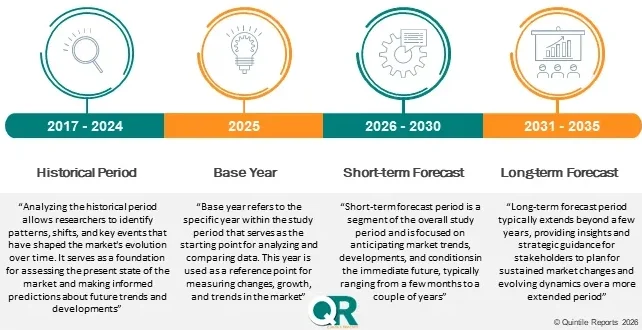
According to industry analysis, the Psychiatric Digital Biomarkers Market was estimated at USD 5.34 billion in 2025 and is projected to reach USD 3.04 billion by 2035, reflecting a compound annual growth rate (CAGR) of 24.82% during the forecast period from 2025 to 2035.
As healthcare systems increasingly adopt digital monitoring technologies, psychiatric digital biomarkers are expected to play a critical role in advancing personalized mental health care.
DOWNLOAD PDF BROCHURE :- https://www.quintilereports.com/request-sample/1035-psychiatric-digital-biomarkers-market/
Understanding Psychiatric Digital Biomarkers
Psychiatric digital biomarkers refer to measurable behavioral or physiological indicators collected through digital technologies such as smartphones, wearable sensors, and connected health platforms.
These technologies capture patterns related to daily activities and interactions that may provide insights into mental health status. By analyzing these signals, clinicians and researchers can identify behavioral changes that may indicate early signs of psychiatric conditions.
Common data indicators used in digital biomarker analysis include:
- Sleep patterns and circadian rhythm changes
- Physical activity and mobility levels
- Social interaction behavior
- Voice and speech characteristics
- Smartphone usage patterns and engagement behavior
The ability to continuously collect and analyze these data points offers significant advantages for monitoring mental health conditions over time.
Key Growth Drivers in the Psychiatric Digital Biomarkers Market
Rising Global Focus on Mental Health
Growing awareness of mental health conditions and increasing demand for early diagnosis have encouraged healthcare systems to explore digital tools capable of improving psychiatric monitoring.
Digital biomarkers provide valuable insights that can complement traditional clinical evaluations.
Expansion of Digital Health Technologies
The rapid adoption of smartphones, wearable health devices, and connected digital ecosystems has created a strong technological foundation for digital biomarker solutions.
These technologies enable passive and continuous data collection, which is essential for behavioral monitoring.
Growing Adoption of Remote Patient Monitoring
Remote monitoring solutions have become an essential component of modern healthcare delivery. Psychiatric digital biomarkers enable clinicians to track behavioral patterns outside traditional clinical settings, supporting telehealth and decentralized care models.
Advancements in Artificial Intelligence and Data Analytics
Artificial intelligence and machine learning algorithms are increasingly being used to analyze behavioral datasets collected through digital platforms. These technologies help identify patterns and correlations that may indicate emerging psychiatric symptoms.
Emerging Trends in the Digital Psychiatry Landscape
Integration of Wearable Health Devices
Wearable technologies are becoming increasingly important for collecting physiological and behavioral signals associated with mental health conditions.
Devices capable of tracking sleep cycles, activity levels, and physiological responses can provide valuable insights for behavioral health monitoring.
Smartphone-Based Behavioral Monitoring
Smartphones are widely used across the globe, making them powerful platforms for digital biomarker data collection.
Mobile health applications can monitor user behavior patterns, communication activity, and mobility patterns to help identify potential mental health changes.
Passive Environmental Sensing
Ambient sensing technologies embedded within smart environments can passively collect behavioral data without requiring direct user interaction.
These sensors may provide additional context about daily routines and lifestyle behaviors that influence mental health.
Applications of Psychiatric Digital Biomarkers
Digital biomarker technologies are being explored across multiple psychiatric conditions.
Depression
Behavioral indicators such as reduced activity levels, disrupted sleep patterns, and social withdrawal may signal depressive episodes. Continuous monitoring can help clinicians identify these changes earlier.
Anxiety Disorders
Physiological signals and behavioral patterns captured through digital platforms can provide insights into anxiety-related responses and stress levels.
Bipolar Disorder
Monitoring behavioral signals over extended periods may help identify early signs of mood fluctuations, allowing for proactive treatment interventions.
Post-Traumatic Stress Disorder (PTSD)
Digital monitoring tools can support long-term observation of behavioral responses related to trauma exposure and recovery.
Schizophrenia
Researchers are exploring digital biomarkers as tools for monitoring cognitive and functional changes associated with severe mental health disorders.
Regional Insights
North America
North America remains a leading region in digital health innovation due to strong investments in healthcare technology, advanced digital infrastructure, and increasing adoption of AI-driven healthcare solutions.
Europe
European healthcare systems are integrating digital mental health technologies as part of broader digital transformation initiatives across healthcare sectors.
Asia-Pacific
The Asia-Pacific region is experiencing significant growth in digital health adoption, driven by expanding healthcare infrastructure, rising smartphone penetration, and increasing mental health awareness.
Latest Blog :- https://www.researcheditorial.com/news/bare-metal-servers-market/
Key Players Operating in the Psychiatric Digital Biomarkers Market are as follows:
- Apple Inc.
- Pear Therapeutics
- IBM Watson Health
- Mindstrong Health
- Verily Life Sciences
- MindMaze
- BioBeats
- mBrainTrain
- NeuroFlow
Based on Biomarker Type, the Psychiatric Digital Biomarkers market is segmented into:
- Behavioral Biomarkers
- Physiological Biomarkers (e.g., heart rate variability, sleep patterns)
- Speech and Language Biomarkers
- Digital Cognitive Biomarkers
- Neuroimaging Biomarkers
- Multimodal Biomarkers
Based on Application, the Psychiatric Digital Biomarkers market is segmented into:
- Depression
- Bipolar Disorder
- Schizophrenia
- Post-Traumatic Stress Disorder (PTSD)
- Attention Deficit Hyperactivity Disorder (ADHD)
- Generalized Anxiety Disorder (GAD)
- Other Psychiatric Disorders
Based on End User, the Psychiatric Digital Biomarkers market is segmented into:
- Healthcare Providers
- Pharmaceutical & Biotech Companies
- Research & Academic Institutes
- Patients & Caregivers
Strategic Opportunities for Industry Stakeholders
For healthcare organizations, technology developers, and investors, psychiatric digital biomarkers represent a promising area of opportunity within the digital health ecosystem.
Key strategic opportunities include:
- Development of AI-driven behavioral health analytics platforms
- Integration with telehealth and remote patient monitoring solutions
- Partnerships with healthcare providers and research institutions
- Expansion of digital therapeutics ecosystems
Organizations that successfully combine behavioral analytics with digital health platforms are likely to play a significant role in shaping the future of psychiatric care.
Future Outlook
The future of mental health care is increasingly data-driven. Psychiatric digital biomarkers are expected to become a core component of next-generation digital psychiatry solutions.
As digital health technologies continue to evolve, the ability to collect and analyze behavioral data will support more proactive, personalized, and efficient mental health care systems.
The continued convergence of wearable devices, artificial intelligence, and behavioral analytics will further accelerate innovation in this rapidly expanding market.
Strategic Market Insights from Quintile Reports
Organizations seeking deeper insights into market trends, growth opportunities, and competitive strategies can explore the complete industry analysis available from Quintile Reports.
👉 https://www.quintilereports.com/industry-report/1035-psychiatric-digital-biomarkers-market/
The report provides detailed analysis including:
- Market segmentation and technology landscape
- Growth drivers and emerging opportunities
- Regional market outlook
- Competitive ecosystem insights
- Strategic recommendations for stakeholders
Frequently Asked Questions (FAQs)
What are psychiatric digital biomarkers?
Psychiatric digital biomarkers are measurable behavioral or physiological signals collected through digital technologies such as smartphones and wearable devices to monitor mental health conditions.
Why are digital biomarkers important for mental health?
Digital biomarkers provide continuous behavioral insights that can help clinicians detect early signs of psychiatric conditions and monitor treatment progress more effectively.
What technologies enable digital biomarker monitoring?
Technologies include wearable sensors, smartphone applications, artificial intelligence analytics platforms, and connected health devices.
Which psychiatric conditions benefit from digital biomarker monitoring?
Digital biomarkers are being explored for conditions such as depression, anxiety disorders, bipolar disorder, PTSD, and schizophrenia.
What factors are driving growth in the psychiatric digital biomarkers market?
Key factors include increasing mental health awareness, expansion of digital health technologies, growth in remote patient monitoring, and advancements in AI-based healthcare analytics.
How will digital biomarkers influence future healthcare systems?
Digital biomarkers are expected to enable more personalized and proactive mental health care by providing continuous behavioral insights outside traditional clinical settings.